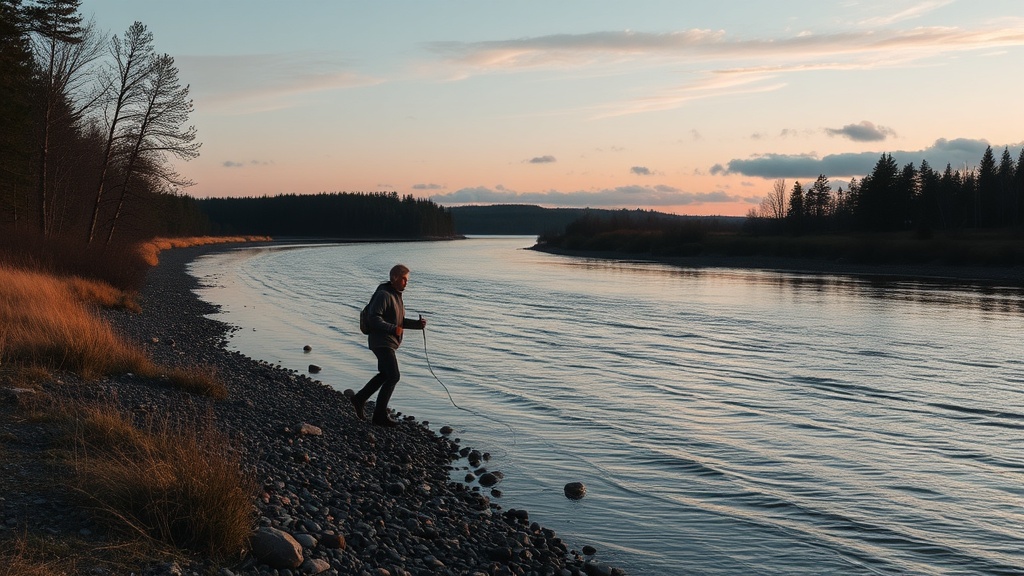
Walking the Shoreline: A Perfect Afternoon Along the Matane River

A group of hikers once stood at the edge of the Matane River, staring at a sudden downpour that turned a sunny afternoon into a muddy mess. They weren't prepared for the rapid change in weather that often hits the Gaspé Peninsula. This guide covers the best routes along the Matane River shoreline, the best times to visit, and what gear you actually need to stay comfortable while exploring our local waters.
The Matane River isn't just a body of water; it's the heartbeat of our town. Whether you're looking for a brisk morning walk or a slow, contemplative stroll to watch the tide, the shoreline offers something different every single day. You'll find that the terrain shifts from rocky outcrops to soft riverbanks, making every walk a bit of an adventure.
What is the best time of year to walk the Matane River?
The best time to walk the Matane River shoreline is between late June and early September when the weather is stable and the vegetation is lush. While we love our snowy winters, the riverbank can become quite treacherous and slippery during the spring thaw. If you're visiting in the summer, you'll want to aim for the late afternoon when the sun begins to dip, casting long shadows across the water.
During the summer months, the temperature stays relatively mild, but the humidity from the St. Lawrence can creep in. It’s a good idea to check the Environment Canada weather reports before you head out. A sudden fog can roll in from the estuary faster than you'd expect—it’s actually quite a beautiful sight, but it can make visibility tricky if you're off the main paths.
Here is a quick breakdown of what to expect by season:
- Spring: Muddy, unpredictable, and great for birdwatching as things wake up.
- Summer: Warm, perfect for long walks, but watch out for mosquitoes near the reeds.
- Autumn: The most colorful season; the changing leaves along the river are spectacular.
- Winter: Harder terrain, but the frozen river views are undeniably striking.
I personally find that early autumn—specifically late September—is the sweet spot. The air is crisp, the crowds are gone, and the colors of the forest meeting the river are just breathtaking. It's much more peaceful than the mid-July rush.
Where are the best walking paths along the water?
The best paths are found along the transition zones where the Matane River meets the St. Lawrence estuary. You'll find a mix of paved sections near the town center and more rugged, natural trails as you move further away from the urban core. Most locals prefer the unpaved sections because they feel more connected to the raw nature of the region.
If you want a more structured experience, there are sections that feel almost like a park. However, if you're looking for something more "wild," you'll want to head toward the areas where the river bends more sharply. These spots offer more shade and a sense of isolation. It's a great way to disconnect from the noise of the day.
For those who want to combine their walk with a great meal, you can always head back toward town. After a long walk, nothing beats a local treat. If you're hungry after your trek, you might want to check out why you should try fresh Matane shrimp to refuel with something local and delicious.
Pro-tip: Keep an eye on the tide levels. While the river is fresh, the tidal influence from the St. Lawrence can change the look of the shoreline significantly. A walk at high tide feels completely different than a walk at low tide.
| Style | Terrain Type | Best For | Recommended Gear |
|---|---|---|---|
| The Casual Stroll | Paved/Flat | Families and Seniors | Light sneakers |
| The Nature Trek | Dirt/Gravel | Photography/Nature Lovers | Sturdy hiking boots |
| The Shoreline Scramble | Rocks/Sand | Adventurous Walkers | Waterproof boots |
What gear should I bring for a river walk?
You should bring a lightweight, waterproof windbreaker and comfortable, broken-in footwear. Even if the sun is out, the breeze off the water can be biting, especially as the sun goes down. Don't underestimate the power of a good pair of socks, too—wet feet can ruin a perfectly good afternoon.
I always suggest bringing a small backpack with a water bottle and perhaps a snack. If you're planning on staying out for a couple of hours, a light layer is vital. I'm a huge fan of the Patagonia Torrentshell jacket for these types of outings; it's light enough to pack away but keeps the wind at bay when the weather turns. If you're more into casual comfort, a simple fleece works fine for most summer days.
One thing people often forget? Bug spray. The riverbank is a natural habitat for flies and mosquitoes, especially during the humid evenings. It's not a dealbreaker, but you'll be much happier if you aren't being eaten alive while trying to enjoy the view.
If you're looking for more ways to enjoy the local area, you might also enjoy exploring the real weekend plans most visitors miss. It’s a great way to see how much more there is to do once you've finished your walk.
It's not just about the physical exercise. It's about the mental reset. There's something about the sound of the water moving against the rocks that clears your head. It’s a small luxury we have right here in Matane, and it doesn't cost a cent to enjoy it.
"The river doesn't rush; it simply flows. There is a lesson in that for all of us."
When you're out there, take a second to actually look at the details. The way the light hits the ripples in the water, or the way the salt air smells near the mouth of the river. These are the things that make this place special. It's not just a walk; it's a connection to the land we live on.
If you find yourself near the water during a particularly bright morning, you might want to check out the best spots to watch the sunrise over the St. Lawrence. It's a whole different experience than an afternoon walk, but equally worth the effort.