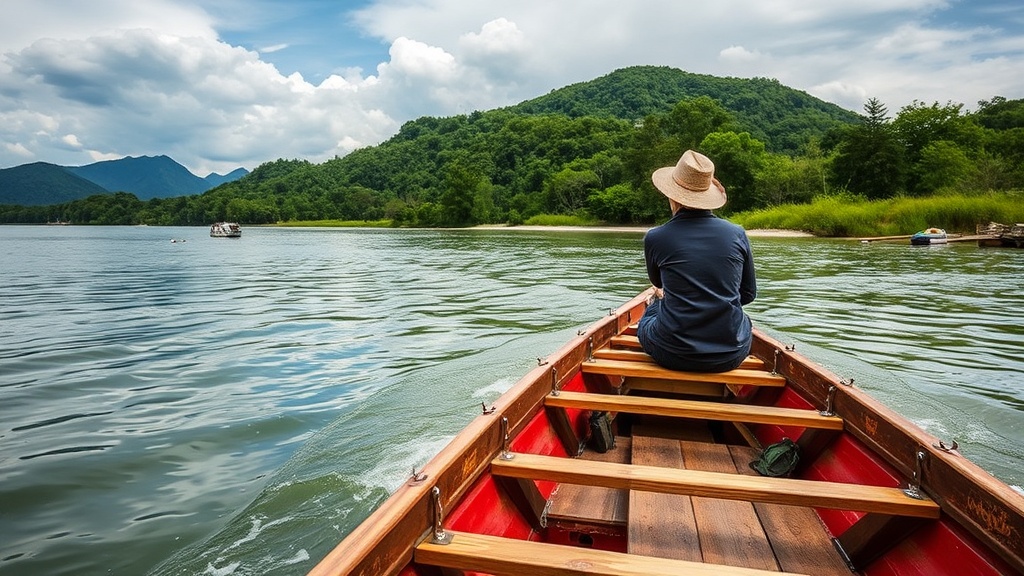
Preparing Your Boat for a Day on the Matane River

A group of paddlers sets off near the mouth of the Matane River, only to find their motor sputtering and their gear floating aimlessly after a sudden wayward current. It isn't a matter of bad luck—it's usually a lack of preparation. This guide covers exactly how to prep your boat, engine, and gear to ensure your time on the Matane River stays relaxing rather than stressful.
The Matane River is a beautiful, temperamental stretch of water. One minute it's glass-calm, and the next, the wind off the St. Lawrence changes everything. If you're planning to head out, you need to respect the water. Whether you're using a motorized skiff or a simple canoe, skipping the checklist is a mistake you won't want to make.
What Equipment Do I Need for the Matane River?
You need reliable flotation, a reliable motor or paddle, and a way to communicate with the shore. Safety gear isn't optional here. Even if you're just planning a short trip near the banks, the current can pick up quickly. Always carry a life jacket (PFD) that is rated for the weight and weather conditions you'll face.
I always suggest checking your gear at least a week before you head out. If you're using a motor, don't wait until you're at the boat launch to see if it actually starts. It's a frustrating way to start a day.
Here is a quick breakdown of the essential gear categories:
| Category | Must-Have Items | Why It Matters |
|---|---|---|
| Safety | PFD, Whistle, First Aid Kit | Quick response to emergencies. |
| Navigation | Waterproof Map, Compass, GPS | The river bends and can be tricky. |
| Utility | Dry Bags, Spare Paddle, Anchor | Keeps your gear dry and stable. |
| Communication | Cell Phone (in waterproof case), VHF Radio | Staying in touch with locals or emergency services. |
If you're looking for high-quality gear, brands like Patagonia or Helly Hansen offer great dry bags and waterproof apparel that can withstand the damp Quebec air. Don't skimp on your footwear either—waterproof boots are a lifesaver if you have to step into the shallows.
How Do I Check My Boat and Motor Before Leaving?
Perform a thorough visual inspection of your hull for cracks and test your motor's fuel and oil levels at home. You don't want to realize you have a leak once you're halfway down the river. A little bit of maintenance goes a long way in preventing a long walk back to the car.
Start with the hull. If you're using a small aluminum boat, look for any dents or loose rivets. If you're in a canoe or kayak, check the seams. It's easy to miss a small crack when you're in a rush, but water finds a way in. (Trust me, I've learned this the hard way.)
Next, focus on the motor. If you're using an outboard, check the spark plugs and the fuel line. Make sure you have fresh gas—not the stuff that's been sitting in a can in your garage since last summer. You'll also want to ensure your propeller is clear of any debris or old fishing line.
A quick checklist for your motor:
- Check oil levels (if it's a 2-stroke).
- Inspect the propeller for nicks or bends.
- Verify the fuel filter is clean.
- Test the starter battery voltage.
- Ensure the kill switch lanyard is functional.
If you're worried about the technical side, it's worth checking the official river safety guidelines or similar maritime resources to understand the depth and current patterns common to the region. Knowing the water's behavior is just as important as the boat itself.
What Should I Pack for a Day on the Water?
Pack lightweight, waterproof-protected gear and bring enough food and water for at least two hours more than you think you'll need. The weather in Matane can change in a heartbeat. One moment it's sunny, and the next, a gray cloud moves in from the coast.
I can't emphasize enough how much a good dry bag changes the experience. I use YETI coolers for food and Sea to Summit dry bags for my electronics. It's a bit of an investment, but keeping your phone and snacks dry is worth every penny. There's nothing worse than a soggy sandwich or a dead phone when you're trying to call for help.
Don't forget the sun protection. Even when it's breezy, the reflection off the water can burn you. A wide-brim-hat and high-SPF sunscreen are non-negotiables. If you're planning on staying out for a long time, you might even want to consider some light layers. Walking the shoreline is a great way to see the river from the ground, but once you're in a boat, the wind chill is very real.
Here's a list of things people often forget:
- Extra sunscreen and lip balm.
- A flashlight or headlamp (even if you plan to be back by dusk).
- A small tool kit for minor repairs.
- Plenty of fresh water.
- A physical map (GPS can fail in the river bends).
The river is a living thing. It has its own rhythm. If you're out there, you're a guest in its space. Being prepared isn't just about being a "prepared person"—it's about being a responsible one. If you're feeling unsure about the water levels, check the transportation and water level reports for the region to see if there have been any recent changes in flow or restrictions.
One thing to keep in mind—the current near the mouth of the river can be much stronger than the upper reaches. If you're a beginner, stick to the calmer stretches. It's better to have a "boring" day on the water than a dangerous one. If you see the water turning a darker color or notice more debris floating by, it's a sign to head back toward the bank. There's no shame in turning back early.
The river is beautiful, but it's also unpredictable. Take your time, check your gear twice, and enjoy the view. If you've done the work beforehand, you can actually relax and enjoy the scenery instead of worrying about your engine or a leaking hull.
Steps
- 1
Check the Weather and Tides
- 2
Inspect Your Safety Gear
- 3
Pack Local Snacks and Water
- 4
Launch Safely at the Docks